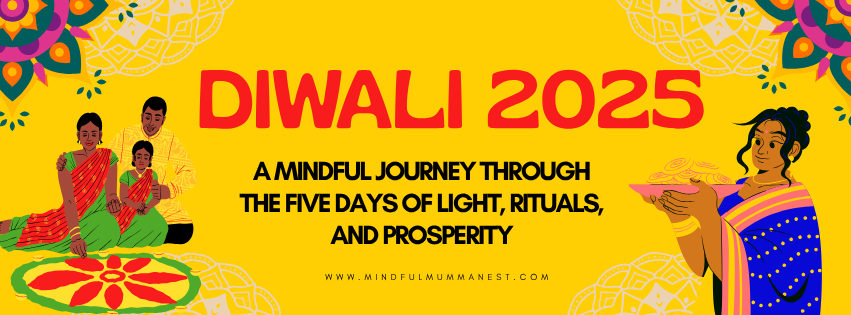
A Festival Beyond Fireworks: The Mindful Meaning of Diwali 2025
Discover how each diya you light can invite prosperity, peace, and mindful wealth into your home and heart.
Introduction
Diwali 2025 is not just a festival — it’s a mindful five-day journey of gratitude, cleansing, and renewal.
At Mindful Mumma Nest, we believe each diya lit with awareness holds the power to earn money with meaning, make money young with purpose, and live in peace with abundance.
From Dhanteras to Bhai Dooj, every day carries its own divine message for prosperity and calm. Let’s explore them with heart and history.
Day 1: Dhanteras (October 20, 2025)
Ancient History
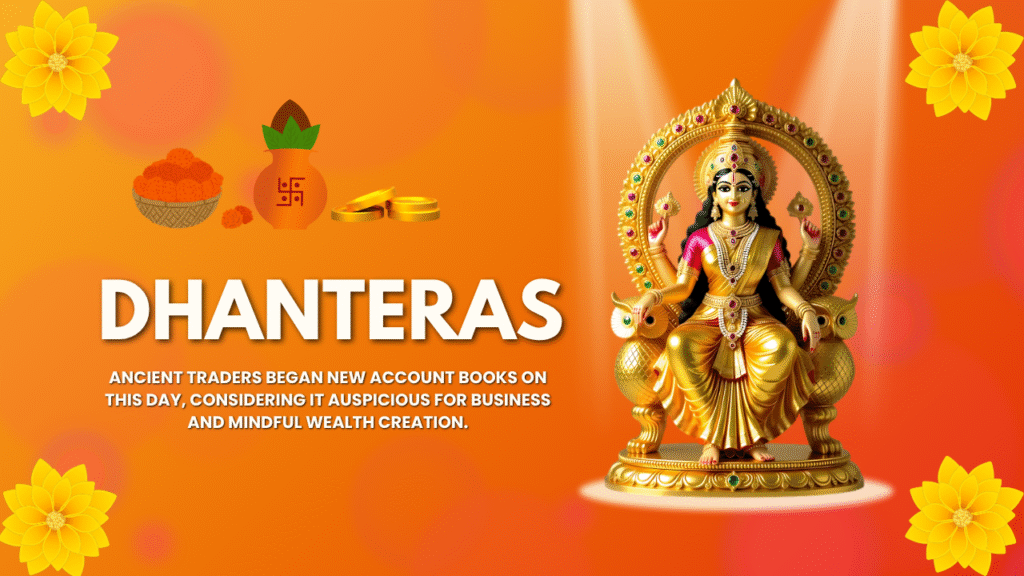
Dhanteras marks the birth of Lord Dhanvantari, who emerged from the ocean carrying Amrit — the nectar of life — symbolizing health and eternal wealth. It also celebrates the appearance of Goddess Lakshmi, signifying abundance and harmony.
Ancient traders began new account books on this day, considering it auspicious for business and mindful wealth creation.
Rituals
- Clean your home and heart before sunset.
- Buy gold, silver, or at least one diya to attract prosperity.
- Light 13 diyas — 5 at the entrance, 4 near Tulsi, and 4 in the kitchen.
- Offer tulsi leaves to Lord Dhanvantari for protection and health.
Mindful Meaning
Dhanteras reminds us that health is the foundation of true wealth.
It echoes the spirit of our blog “Earn While You Sleep: The Mum’s Guide to Creating Passive Income in 2025” — wealth built with balance lasts longer than wealth built with haste.
Day 2: Choti Diwali (October 21, 2025)
Ancient History
Choti Diwali, also known as Narak Chaturdashi, honors Lord Krishna and Goddess Kali’s victory over Narakasura, symbolizing freedom from negativity and fear. In ancient homes, people lit lamps before sunrise to banish darkness and inner doubt.
Rituals
- Take an early oil bath (Abhyanga Snan) with sesame oil.
- Light 14 diyas — each diya represents a release from one form of darkness.
- Offer sweets, chant mantras, and meditate before lighting diyas.
Mindful Meaning
This day symbolizes emotional cleansing — clearing the mind before abundance flows in.
Learn more about healing self-doubt in “The Mindful Mumma’s Guide to Self-Doubt: How to Keep Creating, Earn Money with Young Money & Make Money Young”.

Day 3: Badi Diwali (October 22, 2025)
Ancient History
Badi Diwali, or Lakshmi Puja, marks Lord Rama’s return to Ayodhya and the descent of Goddess Lakshmi into clean, light-filled homes. The night of Amavasya, when darkness is deepest, becomes the moment of greatest illumination.
Rituals
- Cleanse your home thoroughly and decorate with flowers and rangoli.
- Light 21 diyas — 11 at the main door, 5 near the altar, 3 in the kitchen, and 2 near water.
- Offer sweets, rice, and coins during Lakshmi Puja.
- Chant: “Om Mahalakshmyai Cha Vidmahe Vishnu Patnyai Cha Dheemahi Tanno Lakshmi Prachodayat.”
- Keep diyas burning until midnight to maintain energy flow.
Mindful Meaning
This is the night of divine reception — wealth, peace, and clarity.
Explore more ways to align your purpose with income in “The Mindful Mumma’s Blueprint: Building a Fulfilling & Profitable Home Business”.

Day 4: Govardhan Puja (October 23, 2025)
Ancient History
Lord Krishna lifted the Govardhan Hill to protect villagers from rain and thunder, symbolizing humility and protection through devotion. Ancient traditions honored this day with Annakoot, a mountain of food, as gratitude for nature’s bounty.
Rituals
- Create a small Govardhan hill using clay or cow dung.
- Light 7 diyas around it to represent divine shelter.
- Offer Annakoot — a mix of seven dishes or as many as possible — to express gratitude.
- Walk around the hill in prayer for community peace and nourishment.
Mindful Meaning
This day teaches that prosperity thrives when shared. Protect nature, help your community, and abundance will find its way to you.
Learn modern compassion-led growth in “Marketing with Heart: Using Social Media to Grow Your Daily Income”.
Day 5: Bhai Dooj (October 24, 2025)
Ancient History
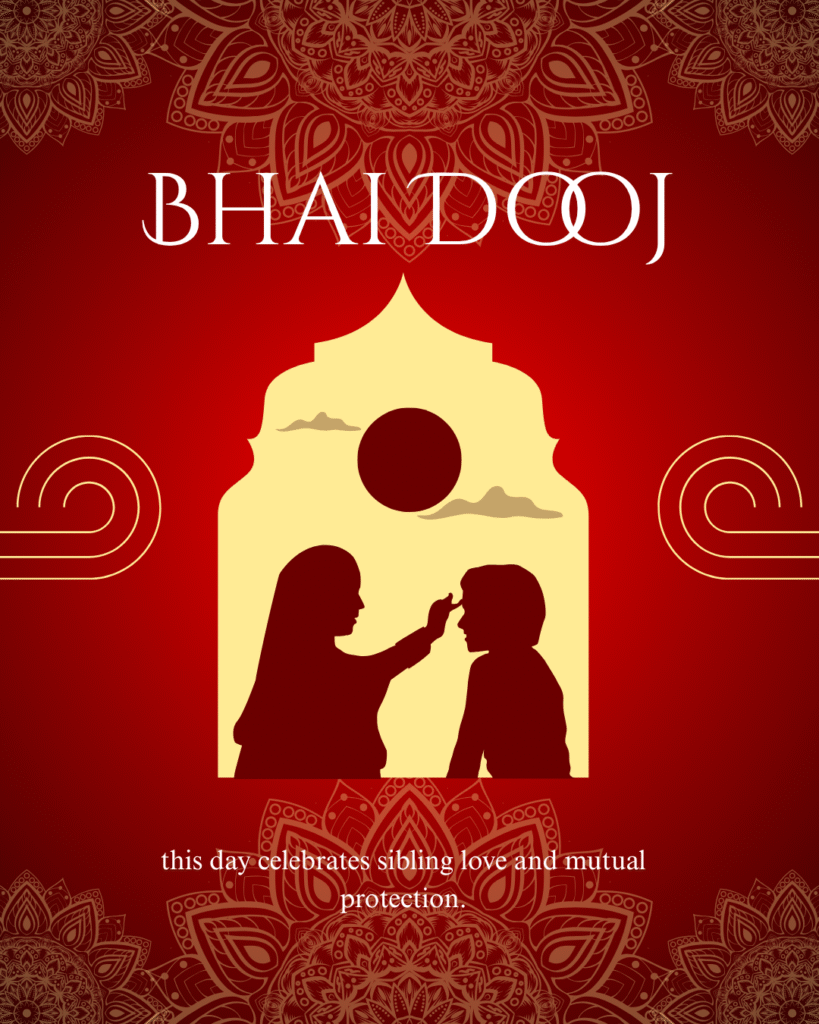
According to legend, Yamraj visited his sister Yamuna, who performed aarti and applied tilak to bless him with long life. Since then, this day celebrates sibling love and mutual protection.
Rituals
- Sisters perform aarti and apply tilak for their brothers.
- Light 5 diyas — symbolizing family, unity, faith, love, and protection.
- Exchange gifts that carry emotional value over material worth.
- Share a meal together to complete the festive cycle of gratitude.
Mindful Meaning
Bhai Dooj is a reminder that true wealth lies in connection — emotional, not just financial. Family is the light that keeps your world warm.
Mindful Prosperity Practices for All Five Days
- Declutter with love — clearing space invites calm and clarity.
- Write one daily intention — “I choose to earn money mindfully.”
- Light one diya nightly for gratitude — it multiplies positive energy.
- Gift handmade or heart-made items — they hold healing energy.
- Teach your children about money with mindfulness — read “From Mumma to Creator: How to Plan, Script & Speak Confidently on YouTube to Earn Money and Make Money Young”.
Ancient Texts & Teachings
- Vishnu Purana: Diwali signifies liberation from ignorance.
- Padma Purana: Each diya represents a blessing of Lakshmi — wealth, wisdom, fame, purity, grace.
- Skanda Purana: Lighting diyas removes karmic shadows and invites divine strength.
At Mindful Mumma Nest, we reframe these ancient truths for today’s world — helping modern mums attract peace, balance, and mindful income through awareness.
FAQs
Q1. How many diyas should I light during Diwali 2025?
Traditionally, light 13 on Dhanteras, 14 on Choti Diwali, 21 on Badi Diwali, 7 on Govardhan Puja, and 5 on Bhai Dooj — a total of 60 diyas for complete harmony.
Q2. Which oil or ghee is best for lighting diyas?
Use cow ghee for purity and divine energy. Sesame oil offers protection, while mustard oil is used to ward off negativity. A blend of ghee and sesame oil balances energies.
Q3. What is the best direction to place diyas?
Place diyas facing east or north — directions of light and growth. Avoid west-facing diyas as they represent setting energy.
Q4. Can I reuse diyas from previous days of Diwali?
Yes, you can — but always clean and refill with fresh oil or ghee to keep vibrations pure.
Q5. Can single women or working mums perform Lakshmi Puja alone?
Absolutely. Goddess Lakshmi blesses every sincere home. Rituals done with devotion attract her energy more than grandeur.
Q6. How can I make my Diwali eco-friendly yet traditional?
Use mud diyas, natural rangoli colors, and organic flowers. Skip plastic and crackers. Let peace be your celebration.
Q7. Why is lighting diyas important for wealth and positivity?
Each diya symbolizes awareness and divine connection. When lit mindfully, it awakens the energy of abundance — turning your home into a haven of light and gratitude.
Conclusion
Diwali 2025 is not about display — it’s about direction.
Every diya you light whispers: “I am ready to receive peace, purpose, and prosperity.”
At Mindful Mumma Nest, we remind every mum — the truest way to earn money and make money young is by living with clarity, kindness, and courage.
May this Diwali bring not just light to your home, but calm to your heart.
Sources & Tools
- Scriptures: Vishnu Purana, Padma Purana, Skanda Purana
- Astrology Reference: Drik Panchang
- Cultural Notes: Ministry of Culture Archives, Government of India
Mindful Tools:Canva visuals, Mindful Mumma Diwali Planner, Daily Diya Journal, Calm Wealth Tracker